
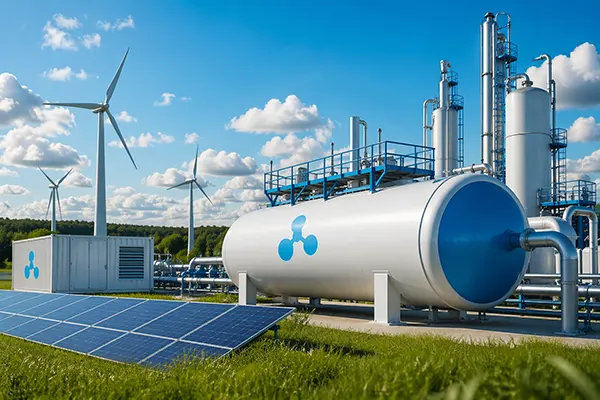
Investing in the Hydrogen Economy: What Works in 2026 and What Still Doesn’t
The hydrogen economy has moved beyond early hype, yet it remains uneven in its development. By 2026, investors are no longer treating hydrogen as a single trend but as a set of distinct segments with very different risk profiles. Some areas are already generating stable revenue and attracting institutional capital, while others continue to depend on subsidies, pilot programmes, or optimistic projections. Understanding this divide is essential for anyone approaching hydrogen not as a concept, but as a real investment theme.
Where Hydrogen Investment Is Already Delivering Results
Industrial hydrogen use is the most mature segment. Refining, ammonia production, and chemicals have relied on hydrogen for decades, and the shift from grey to low-carbon hydrogen is now backed by regulation rather than speculation. Europe’s carbon pricing system and tightening emissions targets have made it economically viable for large industrial players to secure green or blue hydrogen supply contracts. This creates predictable cash flows and long-term agreements, which are highly valued by infrastructure investors.
Another area showing tangible progress is hydrogen in heavy industry, particularly steel production. Direct reduced iron (DRI) processes using hydrogen instead of coal are being deployed in pilot plants and early commercial projects. Companies in Sweden and Germany have already secured offtake agreements with automotive manufacturers, who need lower-carbon steel to meet their own ESG commitments. These projects are capital-intensive, but they are grounded in real demand rather than theoretical use cases.
Transport applications are also evolving, though selectively. Hydrogen fuel is gaining traction in sectors where electrification is impractical, such as long-haul trucking, shipping, and certain rail networks. Fleet operators are beginning to adopt hydrogen not for environmental branding, but for operational reasons: refuelling time, range, and payload advantages over batteries. Investment in refuelling infrastructure along key logistics corridors is now tied to actual fleet deployment, reducing speculative risk.
Why These Segments Attract Serious Capital
The key factor behind successful hydrogen investments is demand visibility. Projects that secure long-term purchase agreements, often spanning 10 to 20 years, offer a level of predictability that aligns with infrastructure and pension fund strategies. Investors are less concerned with technological novelty and more focused on stable returns backed by contractual commitments.
Regulatory frameworks also play a decisive role. The EU’s hydrogen strategy, combined with subsidies such as the Important Projects of Common European Interest (IPCEI), has reduced the financial risk of early-stage projects. In the United States, tax incentives under the Inflation Reduction Act continue to support hydrogen production, making projects more bankable.
Finally, integration with existing industrial ecosystems lowers execution risk. Projects that retrofit current facilities or build on established supply chains are far more likely to succeed than those attempting to create entirely new markets. Investors increasingly prioritise these integrated approaches over standalone ventures.
Overvalued Hydrogen Narratives and Market Misconceptions
Despite clear progress in certain areas, several hydrogen narratives remain overstated. One of the most persistent is the idea of widespread hydrogen use in passenger vehicles. By 2026, battery electric vehicles dominate the market due to cost efficiency and infrastructure availability. Hydrogen cars remain niche, with limited refuelling networks and high production costs, making large-scale adoption unlikely in the near term.
Another area of overvaluation is residential heating. While hydrogen-ready boilers have been promoted as a future solution, the economics are difficult to justify. Producing green hydrogen for home heating is significantly more expensive than using electricity via heat pumps. Governments in Europe are increasingly prioritising electrification over hydrogen for residential energy use, shifting investment focus away from this segment.
Large-scale hydrogen export projects also face challenges. Countries aiming to become hydrogen exporters, such as Australia and parts of the Middle East, have announced ambitious plans. However, transportation costs, conversion losses, and uncertain demand in importing countries complicate the business case. Many of these projects remain at the feasibility stage rather than moving into full-scale deployment.
What Drives Overvaluation in Hydrogen Markets
Much of the overvaluation stems from early-stage enthusiasm that did not fully account for infrastructure complexity. Hydrogen requires new production, storage, and distribution systems, all of which must develop simultaneously. When one element lags behind, entire projects can stall, creating a gap between projections and reality.
Another factor is the reliance on policy assumptions. Some investment cases depend heavily on future subsidies or regulatory changes that are not guaranteed. When these policies are delayed or revised, project economics can shift dramatically, affecting valuations.
There is also a tendency to generalise hydrogen as a universal solution. In practice, its effectiveness depends on specific use cases. Investors who fail to differentiate between sectors often overestimate the scalability of certain applications, leading to misallocated capital.
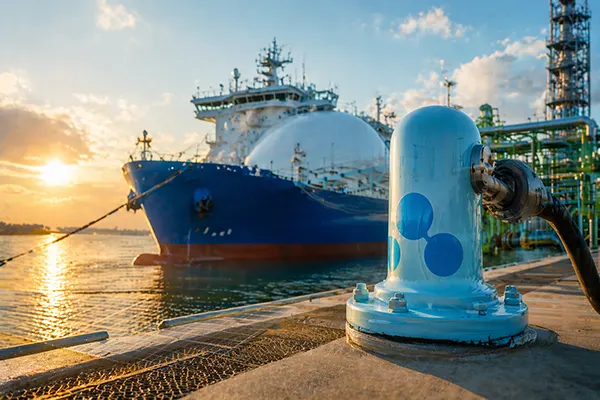
How to Approach Hydrogen Investments in 2026
A practical investment approach begins with segmentation. Treat hydrogen not as a single asset class, but as a collection of industries with varying maturity levels. Focus on sectors where demand is already established and supported by regulation, rather than those relying on future adoption scenarios.
Due diligence should prioritise project fundamentals. Key indicators include secured offtake agreements, access to renewable energy sources, and integration with existing infrastructure. Projects lacking these elements may offer high growth potential, but they also carry significantly higher risk.
Geographical context matters as well. Regions with strong policy support, developed energy markets, and industrial demand provide a more stable environment for hydrogen investments. Europe currently leads in regulatory clarity, while North America offers attractive incentives for production. Other regions may present opportunities, but often with greater uncertainty.
Balancing Risk and Opportunity in a Developing Market
Diversification remains essential. Investors should avoid concentrating exposure in a single hydrogen segment. Combining established industrial applications with selective early-stage opportunities can help balance potential returns with manageable risk.
Time horizon is another critical consideration. Hydrogen projects often require longer development periods compared to traditional energy investments. Patience is necessary, particularly for infrastructure-heavy initiatives that may take years to reach full capacity.
Ultimately, successful investment in the hydrogen economy depends on realism. The sector is neither a guaranteed breakthrough nor an empty promise. It is a transitional market where certain applications are already viable, while others may take a decade or more to prove their value. Recognising this distinction allows investors to make informed decisions grounded in actual market conditions.